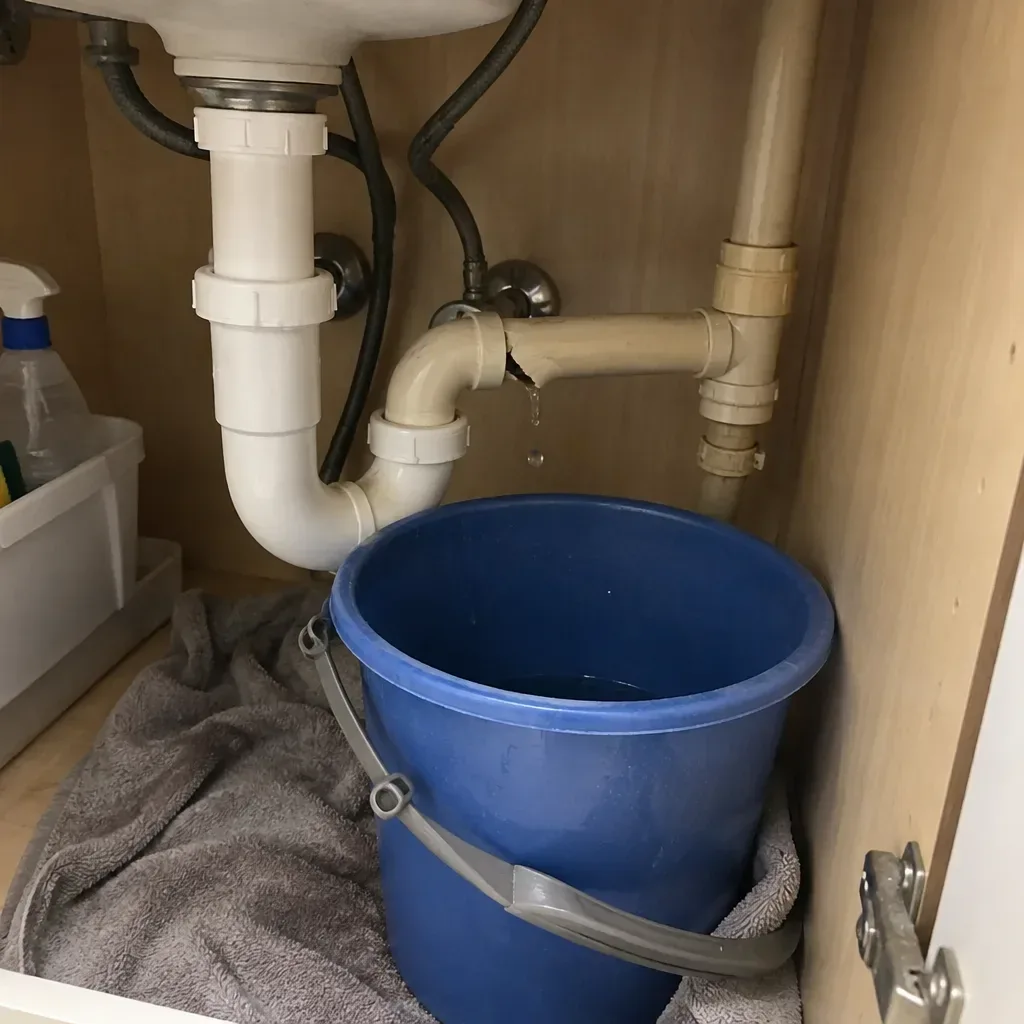
Why Replacement Parts Must Match
Massachusetts insurance guidance warns that freezing conditions raise the chance of frozen or burst pipes, a seasonal concern for Brockton homes. The presence of Beaver Brook nearby does not establish why a particular indoor line failed; the pipe and surrounding conditions need inspection.
In Brockton, cold snaps raise frozen-pipe risk, while multifamily housing means buildings can have varied pipe routes and access points. Beaver Brook and Field Park are useful local bearings; neither indicates whether a particular CPVC line runs through a cold or concealed space.
Calls to the pros we connect you with come from homes throughout Brockton and Plymouth. A clear description of the work helps the licensed pros we connect you with understand what kind of visit may be needed.
Reading a Sudden Water Release
- PIPE MARK
- The pipe’s printed designation and size help narrow down replacement CPVC and fittings that suit the existing water line.
- FITTING STYLE
- A connection must match the CPVC diameter and follow the joining method specified for that system.
- DAMAGE
- A small repair may be workable when adjacent pipe is sound and there is room to form reliable joints.
- ACCESS
- Replacement parts must match the CPVC system’s size and joining requirements.
- PART MATCH
- A CPVC marking, pipe diameter, and fitting style guide compatible parts; sound material at both ends may allow a localized repair, depending on access and joint condition.
- PIPE CONDITION
- The pipe’s printed marking can help confirm its material even when a break appears after cold weather. If a line has been exposed to freezing conditions, inspection can show whether damage extends beyond the spot where water appeared.
- INCLUDED WORK
- an estimated $275–$1,100
Selecting Materials for a Sound Pipe Joint
Material identification matters because replacement parts must match the existing CPVC system. Drain pipe carries wastewater, while CPVC in this repair carries supplied water, so the printed marking and line’s purpose help distinguish them. The pipe’s role in the plumbing system can help narrow down its material and use. CPVC is rigid plastic, and its marking helps the plumber select a compatible replacement system; appearance alone may not settle the identification.
First Decisions When Water Is Escaping
The plumber locates the split and assesses the exposed pipe, adjacent fittings, printed material information, and available room to work. That inspection shows whether sound CPVC remains for a local repair or whether brittleness, extended cracking, or restricted access calls for a longer section to be removed.
The plumber identifies the CPVC size and connection type, then opens access as needed to assess the break and adjoining material. The licensed pros we connect you with isolate the water supply before opening the damaged section. Water pressure is restored after the connection is ready, and the repair is examined for seepage.
One appointment is realistic when the pipe type and connection are identified, the break is reachable, and matching parts are available. If the repair needs a part that must be sourced or more pipe proves unsound, allow for another visit. Ongoing check-ins need a specific reason found during assessment.
PIPE REPAIR WORK COMPARED WITH PLANNED SYSTEM REVIEWS
| Repair Scope |
Damage Extent |
|---|
| Fresh supply-line break, noticed promptly | Water-line repair |
| Fresh wet patch near an older pipe fix | Cost considerations |
| Damage appearing at different points in supply piping | Damaged span renewed; flow confirmed |
SERVICE BOUNDARIESConfirm that the proposed repair will address the damaged supply line and any affected fittings. Permit needs depend on the job’s scope and applicable local requirements; ask who will confirm them. Request an invoice describing the CPVC section and fittings used, the joining method, and the leak check.
Choosing Parts For The Existing Line
A split CPVC water line can keep releasing water into a wall, ceiling, or floor. Continued leakage may wet insulation, framing, and finishes, while concealed access can add work to expose the pipe. Water that reaches finished surfaces can leave staining or cause materials to swell.
Look Beyond the First Wet Spot
The visible wet spot may be away from the actual split. From a dry spot, you can read the pipe’s printed marking and note where water appeared. Do not cut, glue, or clamp a pressurized CPVC line; leave pipe removal and joining to a plumber.
Finding a Break Behind Finished Surfaces
A split in a pressurized CPVC supply line can keep releasing water until the supply is isolated. A spray or fresh wetness that continues after the line should be off signals that water is still escaping. The household needs the leak stopped and the repaired section checked before normal water use resumes; standing water can also make floors slippery and affect belongings.
Why Can the Final Repair Amount Change?
Ask the pros we connect you with to account for the route to the pipe and any opening needed, then explain how that affects the estimate.In Brockton, around South Common and Willow Brook Farm, $350–$1,300 covers plumbing work on the reported break, including checking the repaired line for leaks; water extraction, drying, and rebuilding are separate. A quiet line after shutoff does not confirm a sound repair. Ask the pros we connect you with to confirm the visit charge and exact scope directly.Use pricing guide to see the broader cost picture; access work can change the calculation.